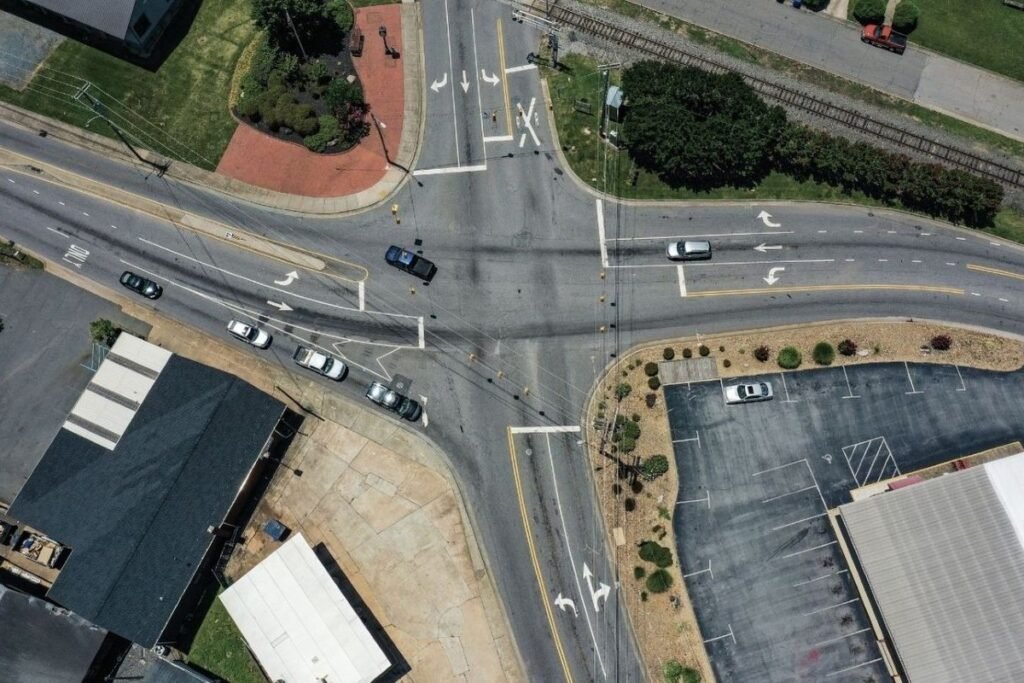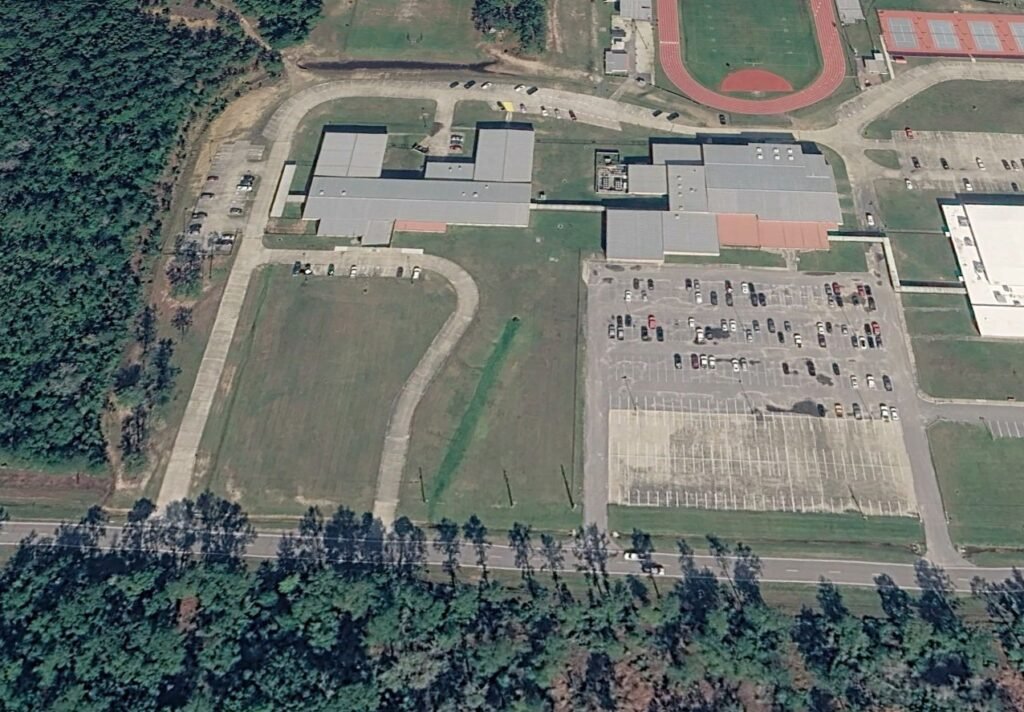
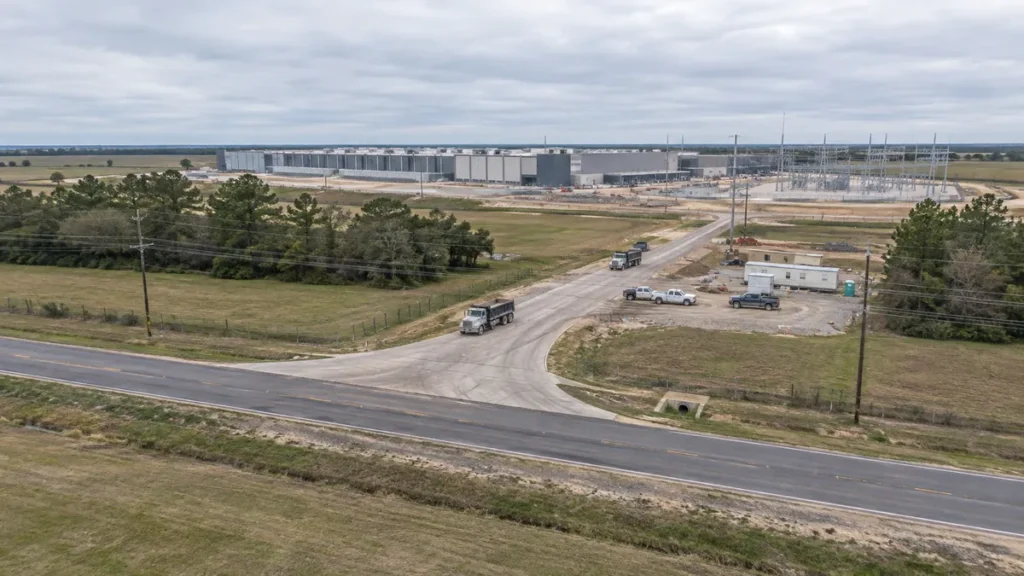
A traffic impact analysis (TIA) for a data center estimates the traffic the site will add during construction and operation, tests the nearby roads and intersections, and recommends access improvements if they are needed. Whether a TIA is required, and how large it must be, depends on the county, city or TxDOT office that reviews your driveways. This guide explains what a data center TIA includes, how trips are estimated, and what to prepare before you request a proposal.
Why Data Center Traffic Is Different
A data center is not like an office or a warehouse. Once it is running, it has few employees compared with its building size, so daily commuter traffic is low. The traffic that matters is different: shift changes, deliveries, fuel and maintenance trucks, and occasional large equipment moves.
The construction period is often the real traffic event. Hundreds of workers, concrete trucks, material haulers and heavy equipment can arrive over many months, often on rural roads that were never built for that load. A good data center TIA treats construction and operation as two separate studies.
When Is a Traffic Impact Analysis Required for a Data Center in Texas?
There is no single statewide rule, so the trigger depends on who reviews your driveways. A new or modified driveway on a state highway goes through TxDOT, while a driveway or culvert permit on a county road goes through the county. Cities and counties may also set a trip or size threshold in their development rules, and a rezoning, plat or site plan can bring its own traffic study requirement. Owners, lenders and utility partners sometimes ask for a study on their own to understand access risk early.
Some counties have no formal TIA requirement but still review driveway location, spacing and drainage. Contact the reviewing agency early to confirm what it expects, and get the scope agreed in writing before the analysis begins.
What Does a Data Center TIA Include?
A standard scope starts with a review of existing roads, intersections, speed limits and nearby planned improvements. From there it covers:
- traffic counts at the study intersections during the AM and PM peak periods, including truck percentages;
- trip generation for employees, visitors, deliveries and trucks, for both construction and operation;
- trip distribution and assignment onto the study roads;
- Level of Service, delay and queue analysis for existing, no-build and build conditions;
- a site access review covering driveway location, spacing, sight distance, gate stacking and turn lane needs; and
- recommendations for improvements, a list of agency requirements, and a report signed and sealed by a Texas-licensed Professional Engineer.
How Are Data Center Trips Estimated?
The ITE Trip Generation Manual includes a Data Center land use (LUC 160), but the data behind it is limited, especially for very large campuses. A large site can fall outside the size range of the surveyed sites, so using the rate alone means extrapolating.
For that reason, the best practice is to build the estimate from the owner’s operating plan: employees per shift, shift times, visitor and vendor trips, and expected deliveries. The ITE rate is then used as a cross-check. If the two methods differ widely, the report should explain why, because reviewers will ask.
Why Construction Traffic Often Controls
Construction traffic is estimated from first principles. The analysis starts with the workforce by month and by shift, and with truck loads taken from earthwork, concrete, stone and equipment quantities. Trucks are then converted to passenger car equivalents, because they take up more roadway capacity than cars. The peak month becomes the design case, and haul routes and pavement impact are checked where needed.
Early numbers do not have to be exact. A reasonable estimate with clear assumptions is enough to start agency discussions, and it can be refined as the contractor’s plan firms up.
How Long Does a Data Center TIA Take?
The schedule depends mostly on data and agency coordination, not on the analysis itself. The usual sequence is kickoff, scope meeting with the agency, field visit and counts, trip generation, analysis, draft report, agency comments and final report. A study commonly takes several weeks to complete a draft, and agency review is added on top. Delays usually come from late site plans, unknown staffing numbers and slow agency responses.
Common Mistakes to Avoid
Most delays trace back to a short list of mistakes. Teams start the analysis before the scope is agreed with the agency, rely only on the ITE rate for a very large facility, or skip the construction phase. Others leave out the driveway design vehicle, so the swept path and gate layout fail later, or collect counts at the wrong time of year or on an abnormal day. Finally, some wait for the final report to share a finding that affects design or cost, when it should be raised as soon as it is found.
What to Prepare Before Requesting a Proposal
Having the following ready lets an engineer scope and price the study quickly:
- Site location, acreage and the current site plan.
- Planned driveways and gate layout.
- Operating staffing by shift and shift times.
- Expected truck and delivery program.
- Construction schedule, workforce and shift information, if available.
- Phasing, if the build will happen in stages.
- Any contact already made with the county, city or TxDOT.
Frequently Asked Questions
Do all data centers need a traffic impact analysis?
Not always. It depends on the reviewing agency and the access plan. Many projects still need at least a driveway or access review, so confirm requirements early.
Is operational traffic at a data center high?
Usually it is low compared with other uses of similar size, but truck deliveries and shift changes still matter. The construction period often produces the highest traffic.
Can the ITE data center rate be used by itself?
It can be used as a reference, but it should not be the only basis for a large facility. A staffing-based estimate from the owner’s plan is more defensible.
Who signs the report?
A Professional Engineer licensed in Texas should sign and seal the final report.
Talk to Civotec About Your Data Center Project
Civotec prepares traffic impact analyses, access studies and technical memos for developers and owners across Texas. If you are planning a data center, contact us for a free initial review of your site and the likely agency requirements.